
Have you ever found yourself in a tight spot, scrambling to find a solution to a problem that’s just not going away? This is basically what happens when your hot water system starts having issues – you’re stuck dealing with it. Maybe it’s time to bring home a new one?
In this blog post, I’ll outline the five crucial things to consider when buying a hot water system so that you can make an informed decision and avoid any complications down the line. So let’s dive right in.
Five Things to Consider When Choosing a Hot Water System
1. Water Heater Types:
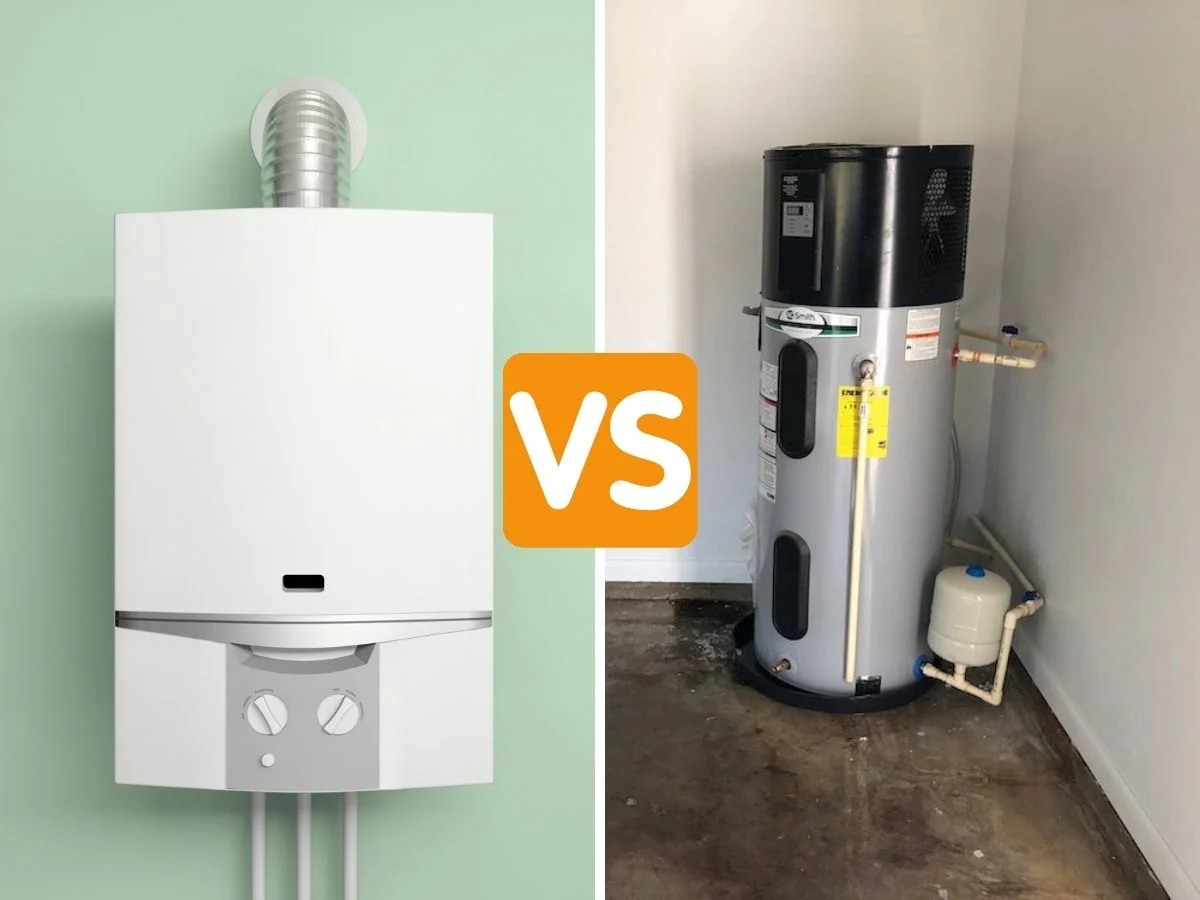
If you’re getting a new hot water system, you can go for a more energy-efficient alternative to your current one. Your options might include:
- Electric: Cheaper to install but cost more to run
- Solar: Typically, the most expensive to install but save a lot in the long run
- Heat Pump: More environmentally friendly and cost-effective
- Gas: A reliable and energy-efficient choice. Also cheaper than electricity.
If you’re going for an electric-based hot water system, then go for one with Energy Star certification. It can save a household of four people over $330 per year in electric bills. Solar, gas, or heat pump water heaters are cheaper in comparison, but they require a higher upfront cost.
2. Environmental Impact:
If you’re an environmentally conscious person, you do not want to go with electric hot water systems. They have the worst impact on the ecosystem.
I suggest going for either gas or heat pump systems. However, heat pumps make a lot of noise when running, so keep that in mind.
3. Size and Capacity
Getting the right-sized system for your home and family needs is important. Here are some factors you need to take into account:
How many people will need hot water per day?
Standard water heater storage capacity typically ranges from 50-100 gallons. Each American uses an average of 82 gallons of water a day at home. So if you have a family of four or more, I suggest going for a system having at least 80 gallons of storage capacity.
Shower or Bath Tub?
Showers use less water (2.5 gal per minute) while bathtubs hold 30 to 60 gallons when full. If your family doesn’t use bathtubs, you’ll be good with a 60 gallon system. However, if you use a mix of tub and shower, I suggest going for something over 80 gallon.
How Much Space Do You Have?
I would not suggest you assume that your new water heater system will fit right in place of the old one. With time, technology and your own needs have changed. Your new system may be bigger or smaller for the space.
I suggest measuring the area where your hot water system connections are and then getting a system according to those dimensions.
Or, if you need a bigger system, first talk to a contractor to see if he can work some remodeling magic to make space for a bigger system.
4. Storage Tank or Continuous Flow?
When it comes to hot water heating, storage tank systems are generally more cost-effective if you’re a large family.
However, a continuous flow system would be the best option if you are a family of four or fewer people. It will only heat up the water when needed, saving energy costs.
5. Your Budget
There are a few things that you’d have to take into account around the budget.
- Firstly, who will use the system? You or your tenants? If your tenants are the users, you don’t know what their day-to-day usage would be like. So here, you can get away with a smaller system and save a few hundred bucks.
- Moreover, there will be an installation cost, and you should only hire a professional, insured, and licensed plumber to set it up for you.
- Also, find out if any rebates or discounts are available for new hot water systems; there may be some for energy-efficient and solar-based systems.
- Lastly, what’ll be the annual operational cost, including utility bill (if using an electric or gas system) and maintenance costs?
Consider these factors first, and then set a budget for the system that’s just right for your needs and won’t break your bank.
What Are the First Symptoms to Look for in a Broken Hot Water System?
One of the first signs is rust and cracking on pipes or fixtures. If you notice the water spilling out of the faucet or pipes, it’s time to take action. Some other signs may include:
· Low Pressure· The water is merely warm or not hot at all· The system is making strange noises· The water smells strange or has a weird color
Is it Better to Fix or Replace Your Current Broken Hot Water System?
It can be a tough decision to make – should you fix or replace your system? There are several key factors to consider, like the age of the unit, how often it breaks down, and the condition of the piping.
Generally, a system that’s more than 10 years old or has major issues such as leaks, rusted pipes, or significant damage needs to be replaced.
Even though fixing your system may be cheaper, there are risks involved with repairing a system that’s already broken a few times in the past. It will likely malfunction again soon, and you may eventually end up paying for a new one.
Parting Words:
When it’s cold outside, or you’re looking for a way to warm up your body, well, hot water systems are one of the best ways to do just that!
However, be careful when choosing one and decide only after considering the five factors mentioned above. Moreover, only let a licensed plumber install the system.
An amateur can make unnoticeable mistakes that may cause the system to consume more energy and break down sooner.
Why hire M.H. Mechanical
- Reason 1
- Reason 2
- Reason 3
- Reason 4
- Reason 5
